
My story
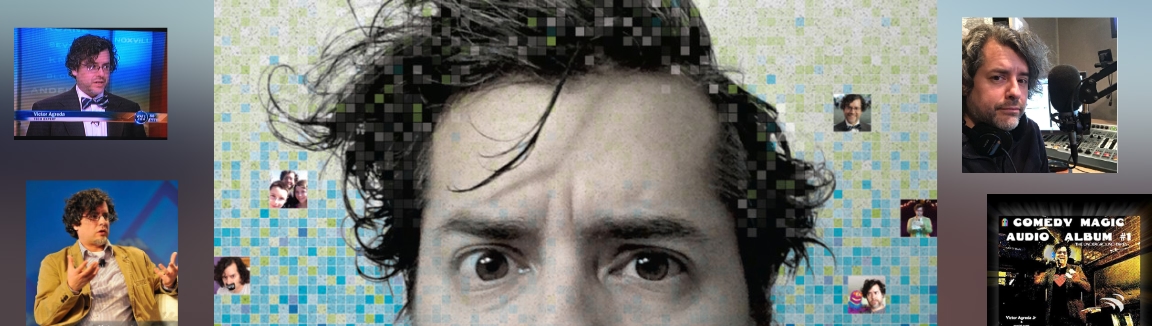
I'm a storyteller and expert communicator who thrives at the intersection of technology and the humanities. Experienced in developer relations, content strategy, instructional design and technical communication with a consistent focus on understanding user needs and driving meaningful outcomes.
I have a track record of partnering with technical teams, enterprise customers, and community stakeholders to accelerate adoption and solve complex challenges.
I combine technical depth in cloud infrastructure and AI/ML with exceptional communication skills, training in education, and a passion for clarity and empathy.
Oh, you want the whole story? Well, I began life partially on a farm and a college campus as my parents were in graduate school when I was born. When I was six, my dad brought home an Apple II computer. There were no computer stores at the time, this was 1978. He found it in the back of a bicycle shop where a ramshackle computer club had set up a little corner shop. I have pictures of me using a typewriter before I could write, but the Apple changed my life. Not only did I begin to learn about how pieces of tech fit together to make a whole, by eight years old I was learning BASIC and making programs from books (some of which I still own). That sent me off to computer camps, and reading magazines like Byte while most of my friends were reading Boy's Life or Tiger Beat. I learned how to use a word processor, how to design a page, and even a little bit about game design after making dozens of levels with Lode Runner. By middle school my nerd credentials were solid, and I went to Space Camp in Huntsville twice, earning the top award (the Right Stuff Award) my final year, even though I pulled a prank during the final simulation! In high school, I dove into tech by helping the yearbook transition from paper and pasteboard to a fully-digital workflow (except for photos, as Macs couldn't quite handle the resolution needed for the book's printer). But I also got involved in theatre, eventually earning the top award in technical theatre my senior year.
While I entered college as an electrical engineering student, and wanted to design microchips, this was around the time Apple moved from CISC to RISC chips, and eventually I didn't feel called to go into engineering at the time, so I flipped back to liberal arts. There, I began studying as a journalist, especially as the cold fusion debacle had just happened, and I felt science journalism deserved someone who really loved and understood science. I wound up taking more science classes than I needed, but I also switched majors to English because the college wouldn't let me double major in Broadcasting and Journalism (a strange quirk of the system at the time). But my interest in tech was unabated. During this period -- the 1990s -- a lot of progress was being made in multimedia production on personal computers. QuickTime emerged. I began experimenting with multimedia and collage art. More importantly, I went to work at the music library where I not only learned a ton about music and history, but also Archie and Gopher -- which lead to me learning HTML, as it emerged while I worked there. And I was fortunate that the woman in charge of our library was likewise an early adopter. She encouraged us to learn HTML, and we even got to beta test Netscape Navigator. Even so, by my last year I had fallen back in love with film. A friend was making a short film for his degree, and I was a production assistant, caterer, and prop-maker. I decided I wanted to make movies, so after UT I went off to Watkins Film School in Nashville.
Of course, film school wasn't just about telling great stories in compelling ways. I was still pushing the envelope with tech. I built websites for friends, yes, because that was still an arcane art. But I also was the first student to shoot, edit, and distribute a film digitally. The entire process was digital, end-to-end. That meant putting Premiere and After Effects to use. And yes, those existed before 1999! This also meant I could create special effects in my computer, which led to rotoscoping, animation, and 3D modeling and animation. By the time I graduated I had met the woman I would marry, so I moved back to Knoxville.
Back in Knoxville, in 2000, I started working as an editorial assistant, but quickly managed to pitch the owners of the company on the emerging online video space. Broadband still wasn't widely adopted, but I knew it would take off faster than anyone imagined. We created a spinoff company that pitched e-commerce companies (still mostly retailers who had begrudgingly gone online) on videos that played along with suggested sells from content in the video. This was way ahead of its time, so our bread and butter was actually making compelling CD-ROM content for clients like Duke University. But after a while I switched careers, dabbled in databases and building e-commerce sites from scratch, partially because the hours were better than video production, and with two small kids at home I wanted to see them more often. I began teaching video production, which led to teaching Visual Basic, and then everything from English to web design, and eventually game design (after taking a few classes). This led me to working with ITT Tech to develop their game design curriculum, and help Pellissippi State develop a presence on Second Life -- long before virtual learning was "mainstream." One night I got bored and turned a milk jug into an iPod case. This spawned a "real" iPod case called Llamapod, unique in that you held the iPod upside-down from your belt, so when you lifted it up you could see the screen right side-up. The writeup of the case on Engadget led me to meeting the Weblogs team, and I started blogging in earnest. Still, the hours of teaching and blogging and starting an iPod case business were killing me, so when the opportunity to begin blogging full time for Weblogs, Inc. came up, I took it. The startup was acquired by AOL, and I went full time. Around this time I also helped another school establish classrooms in Second Life, as my love of tech never abated, and I realized the power we had to educate anyone, anywhere. I took that ethos to AOL, and after helping launch DownloadSquad (sort of TechCrunch before it existed), I helped The Unofficial Apple Weblog grow into the juggernaut it became. By 2014, TUAW was the premiere Apple blog for news, tips, how-to's and analysis. Unfortunately, AOL's sales system didn't know how to handle app devs, who didn't have Ford or Amazon money to spend on ads. So, in 2015, they closed us and Joystiq and other blogs in a consolidation move. Notable during my time at AOL was our prowess in SEO. I had read the Pagerank phd thesis, and knew SEO very well. So well, in fact, that I managed to get several articles in Google's top 10 results for years, often ranking above Apple's own knowledgebase articles!
Working from home for AOL was a joy, but even better was working with a global team, some full time and some freelance, building a community and learning everything from comment moderation to enterprise scaling. But new challenges awaited, so I again returned to Superpixel Studios, a business I had started in film school, to create dynamic, powerful multimedia. During this time I wrote everything from press releases to scripts, produced audio and video for clients, and of course built websites, designed training materials, and improved SEO for clients. I had a knack for picking up tech concepts quickly, and making them understandable to others -- a skill I had honed in college when working on science journalism.
My next full time gig was as a radio journalist, something I had wanted to try back in college but red tape prevented it. But I had also launched Modern Studio, a mixed-use space that was very innovative for our area, yet based on ideas I had seen in cities like San Francisco and New York, with a mix of ideas I had growing up. Modern Studio was meant to be open almost 24/7, either as co-working space during the day, or performance space at night, and then a creative studio for clients in the overnight hours. It worked well, although we launched without enough capital, and my radio job required me to be at the station by 4 AM every weekday to write the news segments, and get a look at weather and traffic. I was on-air from 6 AM to 9 AM every weekday, and on alternate weeks I would host a live call-in show. I won an award for the show I did on institutional racism, having done weeks of research and pulling some excellent guests. However, I had to sell my shares of Modern Studio, and eventually the radio schedule was affecting my health, so I had to leave. I went back to Superpixel Studios, and launched Kitten Stuff Done, a productivity system using playing cards.
While writing whitepapers for clients and learning about the then-burgeoning crypto world, my work caught the attention of someone in Developer Relations at Oracle. But, a good friend from high school wanted me to help him launch an online poker play around the time of COVID. Although the lure of a stable corporate job was immense, I wanted to be a part of another startup before I turned 50, so I joined Dealio Webcam Poker. There, I wrangled so many cats I can barely remember them all. I made videos, podcasts, produced countless assets, and ran our beta testing program. I learned a lot about poker, but in the end the product was too complicated for a mass market and the company folded.
Luckily, they still needed me at Oracle. There, I was lucky enough to learn about what I had missed in the 20 or so years since my IT days (between video production and teaching I was a sysadmin and webmaster). DevOps didn't exist in 2001, and now it was the backbone of modern cloud operations. I was lucky enough to work with the CNCF, Linux Foundation, and other groups working to ensure an interoperable future. Plus, I learned a lot about tech like Kubernetes, Kafka, and even Java. Best of all, I got a front row seat to the explosion of AI. Before the reduction in force, I was a key player in Oracle's AI Hub, building it and promoting it at live events. I helped develop the processes that made management feel comfortable about the breakneck pace we had implemented -- creating content faster than the usual enterprise corporation ever could! But we had to be faster, because AI was changing too quickly to get mired in red tape. And, it was a huge success. The AI Hub pulled in huge numbers for an Oracle-based site, and drove both engagement and sales.
I have been immeasurably lucky in life. Between the opportunities given to me as a kid using cutting-edge home computing tech, to working at a giant in the enterprise tech world, to building communities everywhere I go, it is always a joy to connect, create, and empower. I would very much like to use these skills to help others build their businesses, although I find that the role has to be well considered, and the business totally on board with thinking outside the box at times.